“Writing is an intimate transaction between two people, conducted on paper, and it will go well to the extent that it retains its humanity.”
William Zinsser
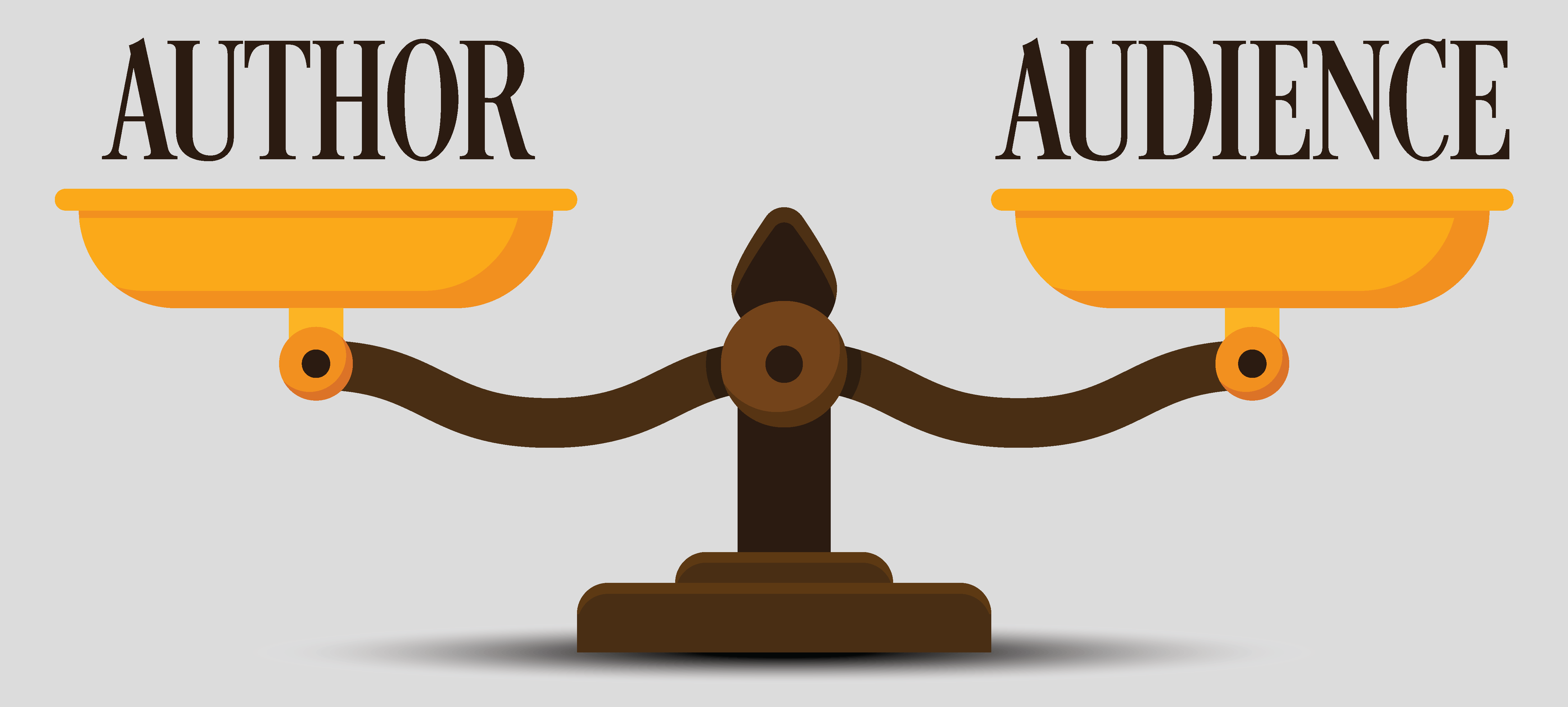
In William Zinsser’s book, On Writing Well, he takes the reader through the principles needed to become a good writer. One of the larger topics he discusses is who you are writing for. Is it yourself or your audience? He argues that it is a balance between the two. He claims that writing can be broken into the mechanical act and the creative act.
Writing for an Audience
The mechanical act is what Zinsser calls the “mastering of a precise skill.” The foundation of writing as a whole. The elements of writing, like structure, grammar, and clarity, are prioritized so the reader can digest the information.
You can write about an interesting topic, but if the audience can’t understand, you will lose them. In Siedenburg’s article on the topic, she calls out, “While the content should be what you love, a structured story will bring the attention and love of your readers.” You need to use writing techniques that will appeal to the readers regardless of the topic.
Writing for Yourself
Once the skill is mastered, “how you use that skill to express your personality” is the creative act (Zinsser). When brainstorming topics, some authors may think, “What do people want to read?” Zinsser advises not to “visualize the great mass audience… every reader is a different person.” When an author writes solely for the audience, there is an undeniable disconnect between author and reader.
In Weiland’s article “Top 6 Reasons Readers Stop Reading,” reason #4 is no emotional connection. They won’t read stories that seem “wooden” because they lack a human element. Zinsser points out that, “You are writing primarily to please yourself, and if you go about it with enjoyment you will also entertain the readers who are worth writing for.”
People enjoy reading what people enjoy writing about. Siedenburg emphasizes how not only is it more authentic, but “you will automatically write better… and readers will see your care and respond to it.”
Writing for an Audience and Yourself
Both the author and the reader must be prioritized in writing. Weiland calls storytelling a “communal activity,” and when we write only for one or the other, the writing will never reach its full potential. Great work comes from respecting the audience with thoughtful and well-structured writing, while also being personal to the writer.
During the writing process, Siedenburg advises not to think about readers in the rough draft and to focus on what you feel needs to be written. Then, in the editing process, you edit for your readers to enhance the story.
The mechanical and the creative acts working together is how you create meaningful work while prioritizing yourself and your audience.
References
Siedenburg, S. J. (2018, December 23). Writing for Readers vs. Yourself: The True Answer You Need. Medium. https://writingcooperative.com/writing-for-readers-vs-yourself-the-true-answer-you-need-c49583e86213
Weiland, K. M. (2009, November 10). Top 6 Reasons Readers Stop Reading. Helping Writers Become Authors. https://www.helpingwritersbecomeauthors.com/top-7-reasons-readers-stop-reading/#:~:text=4.,getting%20to%20the%20next%20page.
Weiland, K. M. (2015, July 19). Whom Should You Be Writing For? Yourself or Your Readers?. Helping Writers Become Authors. https://www.helpingwritersbecomeauthors.com/who-should-you-be-writing-for-yourself-or-your-readers/
Zinsser, W. (2006). On Writing Well: The Classic Guide to Writing Nonfiction. HarperCollins Publishers.
 LAUREN SCOOPO