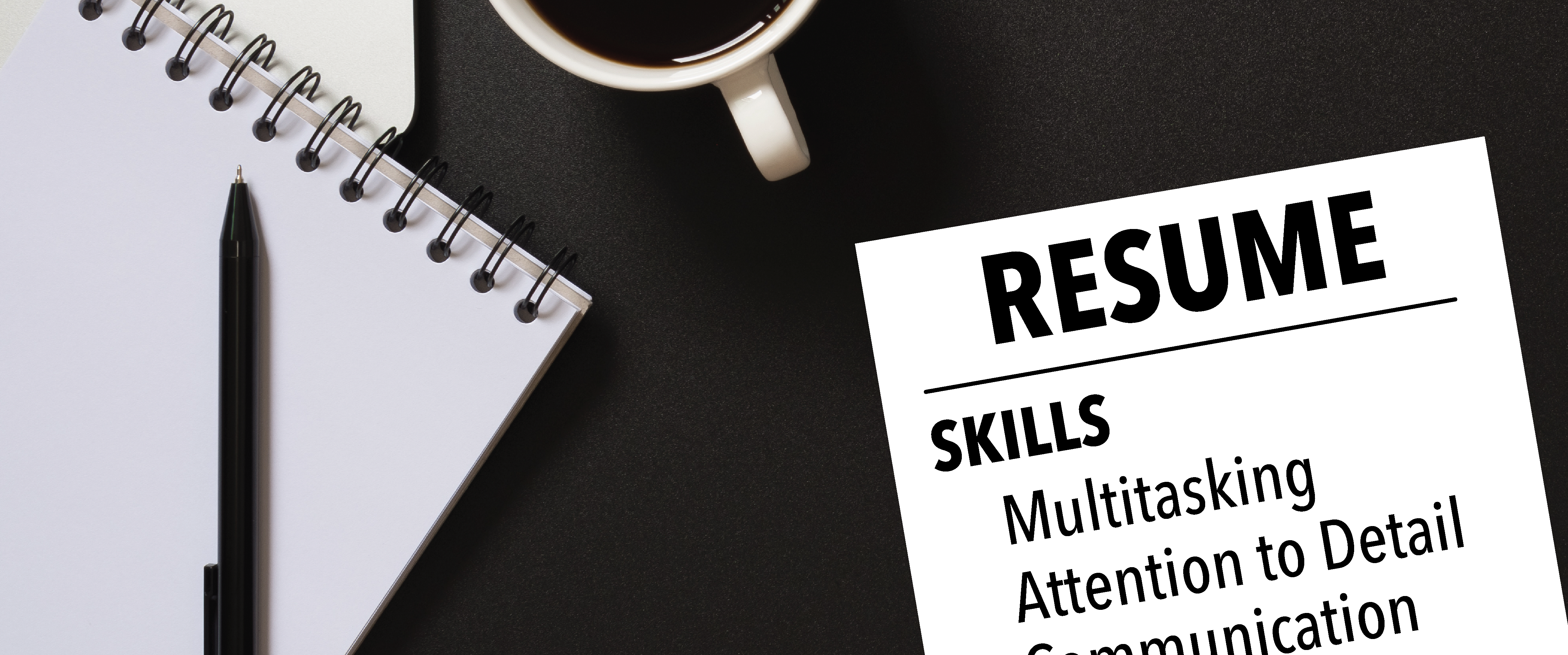
“What are your strengths and weaknesses?” is a question you were most likely asked in an interview. There is also a good chance you said “multitasking” as one of your strengths.
What if I told you multitasking could actually be hindering your work performance?
THE MYTH OF MULTITASKING
In Johann Hari’s book, Stolen Focus, he examines human attention and what can impact how we focus. Hari interviews various experts on the subject. One expert was Professor Earl Miller, who has won awards in neuroscience and works in brain research.
Earl notes that, due to the fundamental structure of the brain, it can only process one or two thoughts in the conscious mind at once. However, society has created a myth called “multitasking,” which claims that humans can think up to 10 thoughts at once. (Hari).
The term multitasking comes from the 1960s when computer scientists “invented machines with more than one processor, so they really could do two things (or more) simultaneously” (Hari). This multitasking skill was never meant to be applied to human beings.
People believe that when they are multitasking, they are doing multiple things simultaneously. However, they are actually switching back and forth between tasks. In this period of switching, you are actually losing productivity.
Earl outlines ways multitasking “degrades your ability to focus”:
- Switch cost effect
- Screw-up effect
- Creativity drain
SWITCH COST EFFECT
When you switch from task to task, “your brain has to reconfigure…you have to remember what you were doing before, and you have to remember what you thought about it, ‘and that takes a little bit of time” (Hari). During this time, your performance drops because the process is slower.
SCREW-UP EFFECT
Our brains are “error-prone,” and when your brain has to reconfigure from switching, “glitches” will occur. Earl explains, “Instead of spending critical time really doing deep thinking, your thinking is more superficial, because you’re spending a lot of time correcting errors and backtracking” (Hari).
CREATIVITY DRAIN
Creativity and innovation come from “your brain shaping new connections out of what you’ve seen and heard and learned” by rethinking and analyzing what it has absorbed. This process occurs in the subconscious mind. If your brain is spending more time on switching and error-correcting, there is less opportunity to form creative thoughts. (Hari).
RETHINKING AND REPRIORITIZING
This got me thinking… is multitasking really something companies should prioritize when looking for potential candidates and when establishing their workflow? Sometimes it is unavoidable due to deadlines, project load, unexpected problems, etc. However, there should be a greater focus on creating an environment where employees have time to give their full attention to a single task. Of course, there are times and professions where this is not always feasible.
As research shows, multitasking actually makes projects take longer, increases errors, and diminishes creativity. What was once thought essential to productivity could be negatively affecting the quality of your work.
Resources
Hari, J. (2023). Stolen Focus. Crown.

