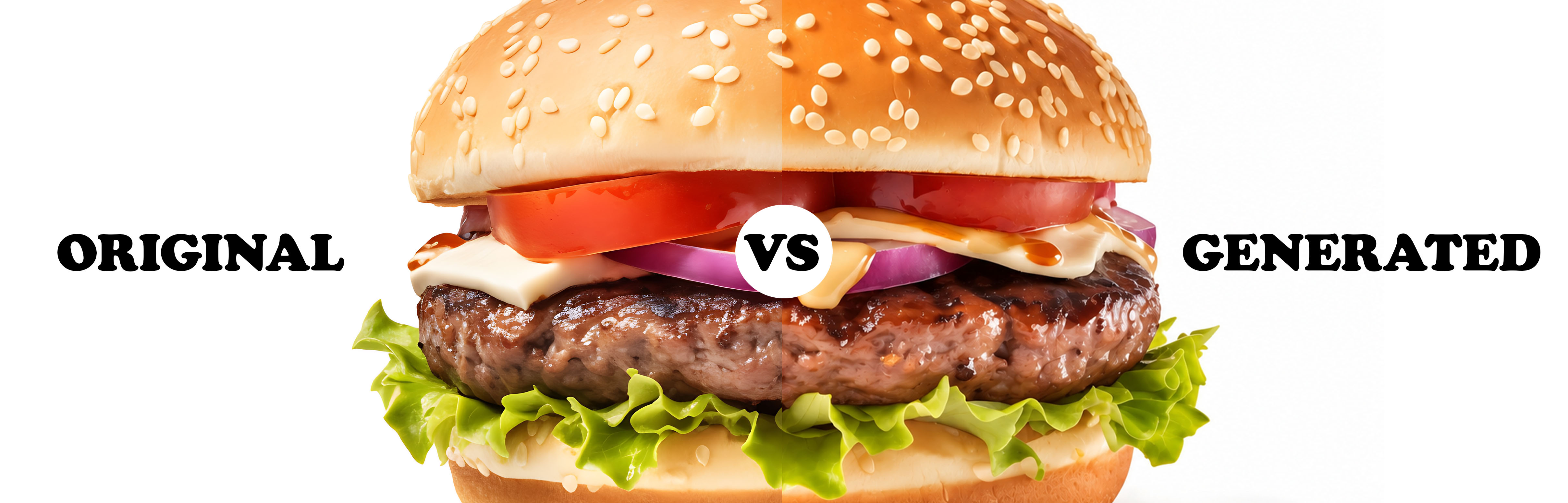
Has your grandma or your friend shown you a video on TikTok that they think is so cool? As you watch it, you notice slight glitches and wonder if it’s real. Then you open the comments and see people saying they fell for this AI-generated content.
For example, a creator claimed their Ring security camera caught bunnies jumping on a trampoline. The video reached millions of views across multiple platforms. Most viewers were unaware the video was AI-generated. (Christensen, 2025).
Labeling is necessary for AI-generated content. Clear indicators that AI created something are needed to avoid confusion and misinformation.
- 76% of Americans say it’s extremely or very important to be able to tell if pictures, videos, and text were made by AI or people
- 53% of Americans are not too or not at all confident they can detect if AI makes something versus a person
While this was a harmless video, it raises an alarming issue. This is becoming increasingly prevalent as AI models become more accessible and frighteningly realistic. Much of the content you see on social media, television, and even hear on the radio was created using these platforms.
- 71% of images on social media are AI-generated or edited with AI
- 1.3 billion videos on TikTok are labeled as AI-generated
As platforms have evolved, the conversation about the legal and ethical logistics of AI-generated images, text, and video has grown louder.
Whose Idea Is This?
AI models are trained to generate results based on vast amounts of publicly available sources (Bretzmann, 2024). This raises several questions about generating content for a public audience. Where did the content originate? Was the content stolen? Does the person who used AI own the content?
Legally, there has been debate over whether copyright protection may be afforded to AI outputs (the content). The main argument goes back to the concept of “authorship.” This authorship pertains to original works, and the U.S. Copyright Office maintains that any work seeking to be copyrighted must be “created by a human” (Zirpoli, 2025).
Work that is created with the assistance of generative AI could potentially be copyrighted if the AI does not “determine the expressive elements of its output” (Zirpoli, 2025). Tools like Grammarly, an AI proofreading platform, and many Adobe tools use generative AI to enhance work, not create it entirely.
The outputs also could potentially infringe on current copyright laws. AI models get their data from existing content, so what stops them from making copies? Users can also create content with copyrighted characters and images they do not own. This is not only a legal concern, but an ethical one.
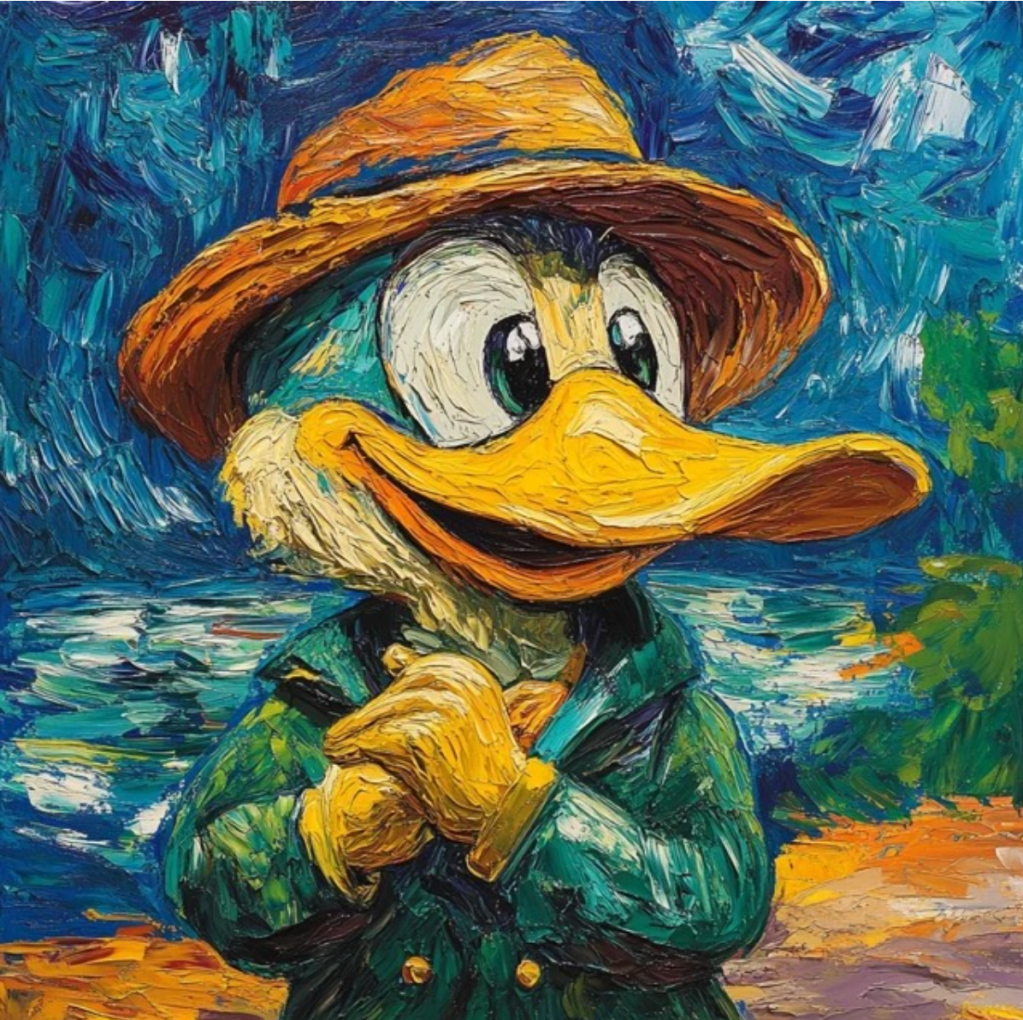
As a graphic designer, my original content and creativity is important to me. Users can now instruct AI to recreate a photo to mimic an established artist’s style. Using AI to help create original content has improved the quality of work designers can produce promptly, but creating a completed piece of content with just one prompt and no human input is alarming.
Is That Me?
Aside from stealing other people’s content, the issue also leads to stealing other people’s likenesses. With a single photo of a person, AI can create images and videos of that person doing anything the prompter tells them to. This is a legal and ethical issue because it can harm the person whose likeness is being used.
Under the ELVIS Act, people can recover statutory damages if their likeness was used commercially without their authorization (Prindle, 2026). However, it’s the internet, so whatever is out there is out there.
The technology that is capable of generating content to this extent is remarkable, no matter your view on the matter. I know I sound doom and gloom, but most generated content isn’t malicious.
Filmmakers were able to produce a film, “As Deep as the Grave,” starring Val Kilmer, after he passed away due to throat cancer. Kilmer did not shoot a single scene for the film. The project used a combination of audio, video footage, and images of Kilmer to create an AI replacement. (Lang & Tangcay, 2026). The making of the film is highly controversial, but it is an example of AI innovation for creative purposes.
Consumers of the Content
The number of creators using AI-generated content has greatly increased over the years. According to a survey by Menlo Ventures:
- 61% of writers use AI
- 53% of image-makers use AI (a 34% increase since last year)
- 52% of people building presentations use AI
- 52% of game creators use AI
- 44% of video creators use AI
Generating content with AI means more people can create more content. Content is now abundant, but many consumers don’t want it. 36% of Americans said they would be less likely to engage with content if they knew it was AI-generated, while only 14% said they would be more interested. (Menlo Ventures, 2026).
Prompting the Future
The AI train is not stopping anytime soon. As creators and consumers, we need to be conscious of the impact AI-generated content has on society. Legal and ethical discussions will continue. We should keep educating ourselves about this ever-changing digital landscape.

