
Is this ethical?
That is a question that could and should be asked when discussing any topic or performing any task. Ethical principles are the “guidelines that direct moral actions” (Hebenstreit & Schultermandl, 2024). Humans are drawn to the idea of ethics as it gives a “framework to understand the impact of our existence” (Indigo, 2019). Before any decision, we judge the rightness and wrongness of our options without even noticing it most of the time.
Philosopher Immanuel Kant asks 2 questions to measure the ethicalness of any action:
- Can I rationally will that everyone act as I propose to act?
- Meaning: Would it be okay for everyone else to do what I am going to do?
- Does my action respect the goals of human beings rather than merely using them for my own purposes?
- Meaning: Does this action benefit other people, or am I using them only to benefit myself?
Ethical decisions are essential on a personal level, a societal level, and even as a brand when creating a content strategy.
Why Brands Should Care
In the digital age, people rely on news outlets and companies to share helpful, accurate information. Much of the content companies create can impact their audience in unexpected ways.
Example: A cosmetic company claims its new moisturizer contains no artificial dyes or fragrances and uses clean ingredients, but it actually contains ingredients that contradict its marketing claims. Maybe the company believes their product isn’t harmful, but just not the best quality? However, what happens when the consumer suddenly has irritated skin and potentially an allergic reaction?
Ethical pillars such as transparency, fairness, responsibility, and authenticity should be at the forefront of every brand’s strategy and content (Hebenstreit & Schultermandl, 2024). Strategists may think that increasing impressions and interactions is every company’s goal, but if it’s not ethical, all the impressions in the world can still reflect poorly on the brand.
“Every digital asset inherits the ethics and power of the business they represent” (Indigo, 2019)
A brand is its content. What they decide to put out into the world and how they conduct themselves can make or break the business.
Online Impacting Reality
Fact-checking and accuracy should be top priorities for any brand or media outlet. To beat competitors to the punch, companies may prioritize speed over accuracy, but misinformation diminishes credibility and can harm the audience (Hebenstreit & Schultermandl, 2024).
An example of harmful misinformation was a conspiracy theory that went viral across media platforms: #pizzagate
On December 4, 2016, Edgar Maddison Welch entered Comet Ping Pong Pizza in Washington, D.C., armed with an assault rifle. Welch entered and discharged his weapon due to a viral hoax that the pizza shop was connected to a pedophile sex ring that involved Hillary Clinton and members of her campaign (Imamura, 2017).
Nobody was harmed during the incident, but the content surrounding this hoax could have caused devastating results.

Investigators found that people were profiting from these rumors, with clicks turning into dollars. The sites that allow this type of content to spread to such an extreme should be taking a look at their own strategies to ensure there are stronger safeguards in place for fact-checking and limiting misinformation while not infringing on the user’s freedom of speech.
“A lot of the people who were involved in this believe that, and they’re really not keeping it front of mind the real-world damage, such as a gunman showing up to conduct his own investigation.” – (PBS News Hour, 2016).
Hide and Seek
Native advertising is one of the biggest ethical debates in content. These ads are designed, formatted, and adapted to mimic their surroundings so they don’t interrupt the user experience. These can be inserted directly into social feeds, app widgets, paid sponsorships, and even paid listings on a search engine.
This is an example of a native ad I saw on DoorDash for Dollar General. The format mimics the other modules for various restaurants, doesn’t say “sponsored,” and the only mention of Dollar General is the logomark in the top right of the image, which isn’t easily identified at first glance.
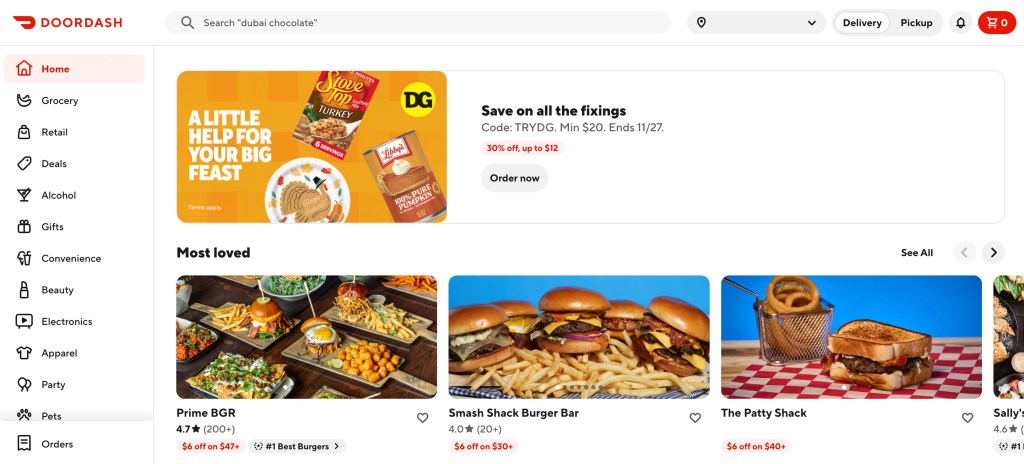
The issue with native advertising is that it is meant to “confuse” the audience and prevent them from realizing they are viewing an advertisement. This strategy may lead to more engagement, but if users realize they have been “tricked,” they will lose trust in the brand publishing the content.
In a 2018 Reuters study, 86% of readers could tell the difference between editorial and branded content, while 14% couldn’t. This number may seem small, but in an industry such as journalism, which relies heavily on reader confidence, that number has a large impact (Conick, 2019).
Everything you need to know about ethical content… read more here
Clickbait is a tactic companies use to optimize clicks and impressions by using a headline or image that promises excitement and drama, but turns out to be “disappointing and dull content” (Fuehren, 2026).
Brands rely on a user’s FOMO (fear of missing out) to manipulate them into interacting with their content and sharing with others.
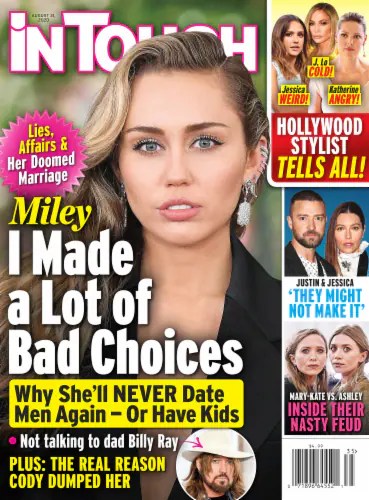
If you go to any grocery store or bookstore, you will see the celebrity gossip magazine section. For years, they have lured readers in with outrageous headlines and paparazzi photos of celebrities. They imply that celebrities are having financial, health, marital, weight, and other issues that would make a curious reader pick up the magazine off the stand and run to the checkout aisle.
Content creators and advertisers use this method by using language that alludes to secrecy and groundbreaking news, which can devalue the brand’s credibility overall. If a brand is continuously creating content that manipulates their audience, how do they think that affects them in the long run? Referring back to Kant’s framework, would the author of these articles want to be manipulated like this? Is this content for the audience’s benefit, or is it only to increase revenue?
Would you come back for more?
Clickbait, accuracy, and native advertising all circle back to the big question: is this ethical? Are these strategies ethical for a brand to adopt for the sake of “success”
The bottom line is that while they optimize their content, they manipulate the audience. The key to a successful brand is to become a trusted source that users are willing and excited to support. People don’t want to engage with brands that repeatedly break their trust and negatively impact the world around them.
Prioritizing ethics in any business strategy is “prioritizing the long-term interests of the audience and society as a whole over short-term gains” (Hebenstreit & Schultermandl, 2024).
What is best for the audience is also what is best for your brand.

